ARSI COFFEE & ORIGIN

The farmers behind the coffee

Coffee in Arsi is grown by families. Their names, land and work are the origin story.

Farmer profiles

Tadesse Hamesso

Tadesse Hamesso

Arsi, Ethiopia

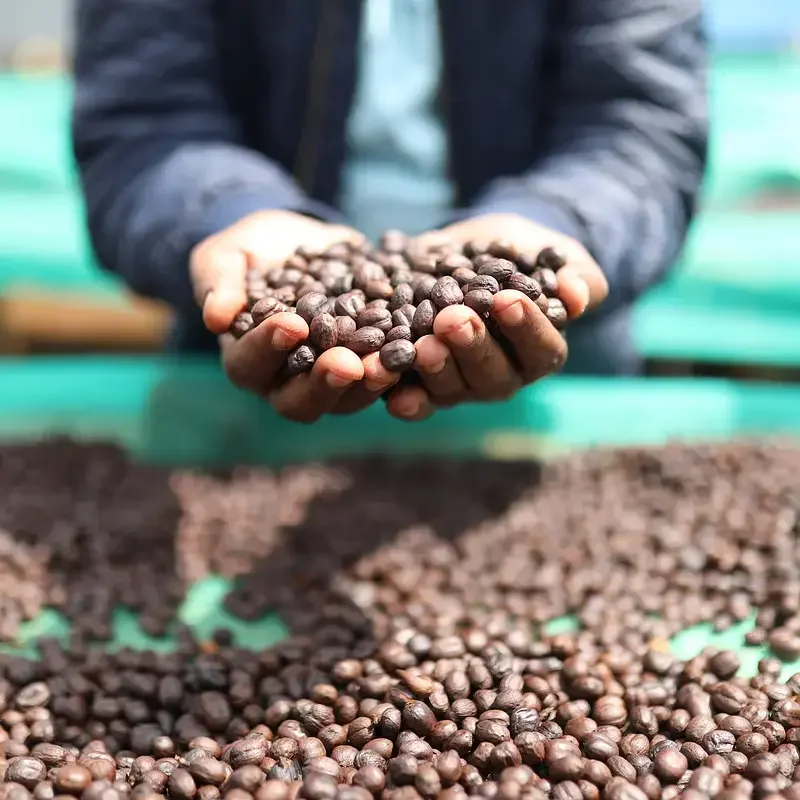
Driven by a hands-on dedication to excellence, Tadesse Hamesso takes full ownership of his harvest—managing every stage of cultivation and meticulous natural processing on his farm. Leveraging direct export licensing, Tadesse bypasses traditional intermediaries to connect his harvest directly with international coffee buyers. His work showcases how Ethiopian smallholders can build true value at the farm level while elevating Arsi as a distinct, world-class specialty coffee origin.
Tadesse Abdukadir

Tadesse Abdukadir

Arsi, Ethiopia

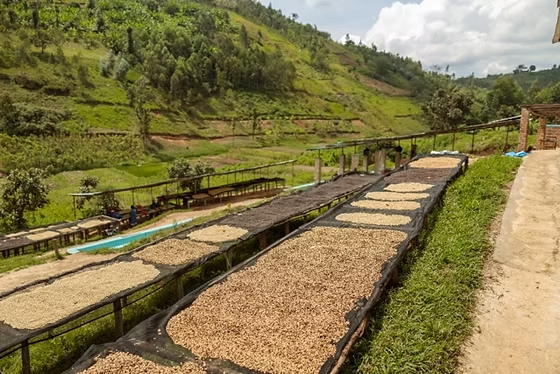
As an independent coffee producer, Tadesse Abdukadir supervises all phases of production on his farm, specializing in naturally processed green coffee beans for export. Through the direct export licensing system for farmers, he connects his harvest directly to international buyers. By doing so, Tadesse shows how Ethiopian growers can capture more value from their crops, build stronger market ties, and bring the unique character of Arsi coffee to global markets.

Belete Bekele

Belete Bekele

Arsi, Ethiopia

Managing his own farm, Belete Bekele takes charge of each step in the coffee production process to produce naturally processed green coffee beans targeted for international export. Utilizing the direct export licensing system, he builds direct links with international coffee buyers. His dedication highlights how Ethiopian farmers can generate increased value from their harvests, solidify their market presence, and showcase the distinct character of Arsi coffee across the globe.

Community stories

A good coffee story names a person, a place and a change.

When real stories are collected, tell them with the farmer's own words: what they grow, what changed this year, what they want buyers and visitors to know. Avoid claims about results unless they have been measured.

Placeholder topics for the first stories: a family's first washed lot, a women's group sorting beans, a young farmer starting a nursery.

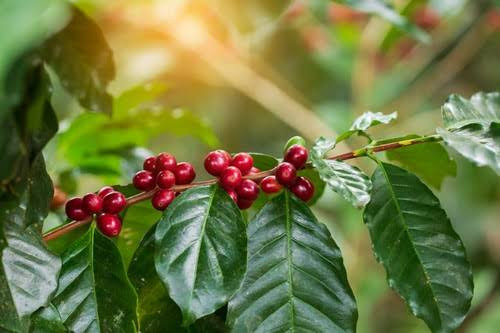
A branch of ripe coffee cherries

What support can look like

Women in coffee

Women do much of the work on coffee farms. Support can mean women-led cooperatives, leadership in processing and quality, and direct access to buyers.

Youth employment

Coffee farming, processing, digital marketing, tourism, photography and barista skills can give young people reasons to build a future in Arsi.

Training

Practical courses in picking, drying, sorting, record keeping, cupping and financial literacy.

Better market access

Direct relationships with roasters and importers, clear lot information, and fair terms that farmers can understand.

Agricultural entrepreneurship

Small enterprises around coffee: nurseries, processing, roasting, packaging, farm stays and guiding.

Chat on WhatsApp