Discover Arsi coffee
Where it grows, how it is processed, and what to ask for when you want to taste it.
An origin in the highlands
Arsi is a highland zone in the Oromia region of Ethiopia.
Ethiopia is widely regarded as the home of Arabica coffee, and its highlands grow some of the most varied coffees in the world. Arsi is still less known to international buyers than some other Ethiopian regions, which is why this site exists: to describe the origin honestly and to connect the people who grow the coffee with the people who want to taste it.
General background only. Production figures, certifications and quality scores are not stated here because they have not been confirmed for this site.
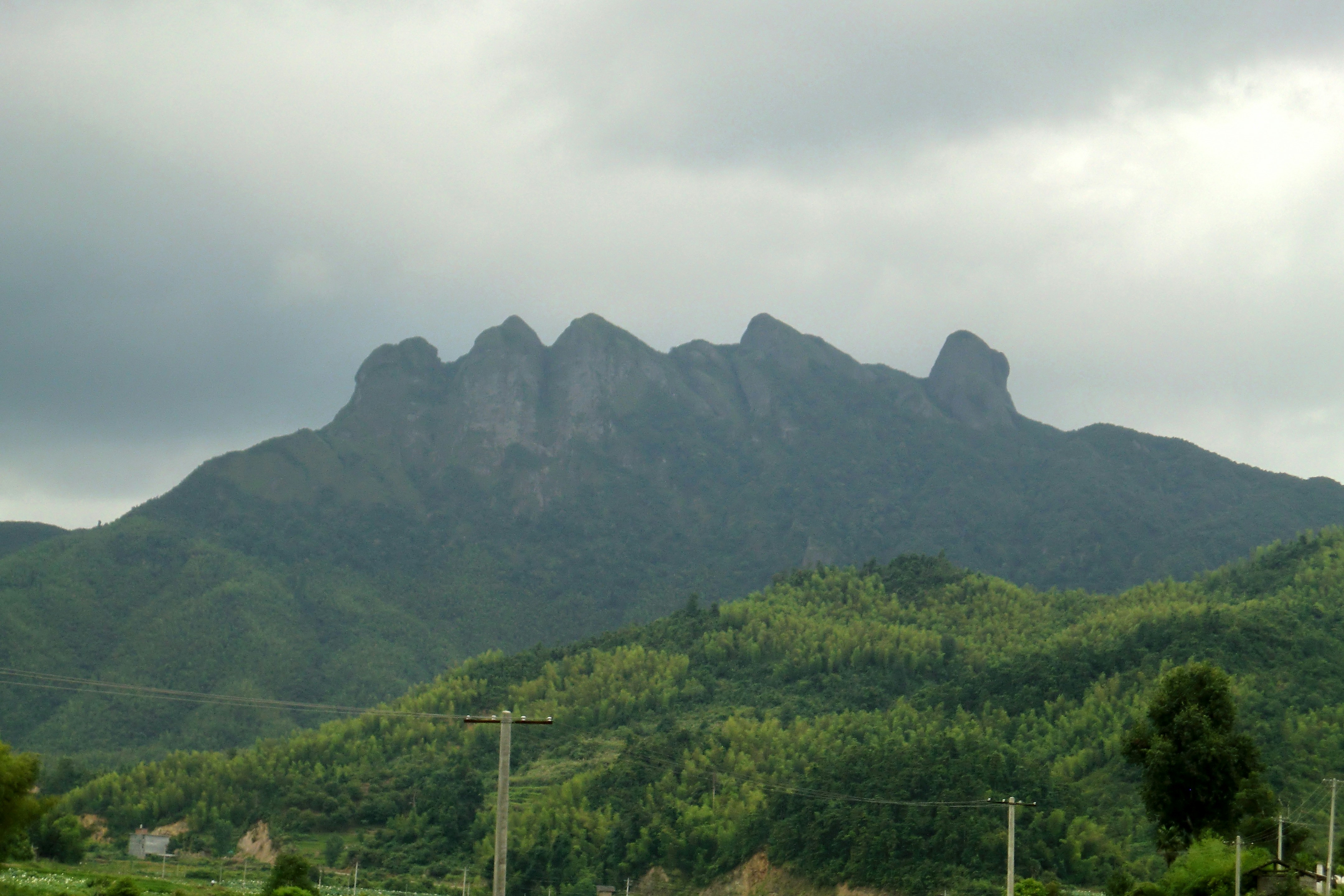
Growing conditions
Elevation and climate
Arabica does best at altitude, where days are warm and nights are cool. Higher elevations usually mean slower-ripening cherries and more complex flavour. Exact elevations, rainfall and temperatures for each Arsi growing area should be recorded and added here as they are confirmed.
Varieties
Many Ethiopian coffees come from local heirloom varieties, a mix of old selections grown by farming families for generations. Which varieties grow in each Arsi area is to be confirmed with farmers and local agronomists.
Production systems
Most coffee in Ethiopia is grown by smallholders on small plots, often shaded by trees and mixed with food crops. Coffee may be grown in gardens close to the home or in larger forest-like systems. Describe the real systems of each area here once they are documented.
Harvest
In much of highland Ethiopia, picking happens in the months after the main rains, roughly from late in the year into the new year. Timing varies by altitude and by season, so confirm the harvest window with the farms before planning a purchase or a trip.
Processing methods
Natural
Whole cherries are dried on raised beds with the fruit still on. This usually gives a fruity, heavier cup and needs careful turning and sorting.
Washed
The fruit is removed before drying, using water. This usually gives a cleaner, brighter, tea-like cup and needs a reliable water supply.
Honey
The skin is removed but some fruit sticky with sugar is left on during drying. This often sits between natural and washed in the cup.
Specialty lots
Small, separated lots processed and cupped with extra care, and described with the grower's name where possible.
Flavour
Ethiopian coffees are often described as floral, citrusy or fruity, but that is a general reputation, not a promise. Real cup profiles for Arsi lots should come from cupping the actual coffee, and be published with the lot.
Traceability
Traceability means a buyer can follow a lot back to the place and the people it came from. A useful lot sheet states the growing area, the farmer or cooperative, the harvest, the processing method, the elevation range and the volume available. The sample profiles below show that layout.
Sample origin profiles
Chole District · Arsi Zone · Oromia, Ethiopia
- 1,646–1,859 m
- Varieties: The exact cultivar in a commercial lot remains unverified.
- Process: natural
- Climate: A published study reports annual temperature of approximately 25°C and annual rainfall of 1,000 mm for Chole. These are study-specific figures, not verified current climate averages.
- Cup: sample notes only, to be written after cupping
- Grower: sample farmer group
- Volume: not confirmed
Gololcha District · Arsi Zone · Oromia, Ethiopia
- Elevation: 1,529–1,801 m
- Varieties: The exact cultivar in a commercial lot remains unverified.
- Climate: approximately 27°C and annual rainfall of 900 mm for Gololcha
- Grower: sample cooperative
- Volume: not confirmed
Shanan Kolu · Arsi, southeastern Ethiopia
- Elevation: 1,537–2,075 m
- Climate: annual temperature of approximately 23°C and annual rainfall of 1,100 mm for Shanan Kolu.